Why Do People Send Gifts on Livestreams?

Rachita Bisht7 Feb, 2024


A phone call with a friend on a Friday night quickly shifted from chill weekend vibes to an urge to delve into a fascinating topic. My friend expressed curiosity about my work, sparking a conversation about sending gifts during livestreams. Like almost everyone outside of my work circle, he found the concept perplexing. It was challenging for him to grasp the idea that individuals willingly spend real money on virtual items to support those they interact with on their mobile screens. According to RedSeer, Virtual Gifting in the Indian landscape is projected to become a market worth approximately $1.7 billion by 2030!
He is not alone. As vast as the world of gifting on Live is, a sizable portion of the population is completely unaware of its existence. As a result, when told how it works, these people are perplexed and, at times, incredulous 😅. There were also videos circulating of celebrities like Selena Gomez and the Stray Kids, who were initially confused by the gifts and filters being showered upon them by their fans during their livestreams.
To be completely honest, I shared the same opinion as my friend back in 2020 when I first heard about the concept. I was tasked with exploring what is called 'virtual gifting' in the product world for the audio chatrooms in ShareChat. It took me a while to understand why people send gifts available to them via the platform to other people.
So, what is it that drives this behaviour? And how it really isn't any different from what we see in the physical world. Now that we have scaled this feature to Moj Live, it feels like a good time to share what I have learned from this interesting virtual gifting world.
It was through my firsthand interactions with the early adopters of this feature that the 'weird' tag I associated with this ecosystem slowly and gradually turned into "Oh, that makes sense!" As a UX researcher, I interact a lot with the people we call our users. We've spent the last two years figuring out what it is that makes people spend real money to help someone on the other side of the screen. We've talked to early adopters, newcomers, and returning residents of this world during this time period. So, what is it that leads to gifting in the digital world?
As humans, we all have the tendency to build affinities with other people, which can arise for multiple reasons. These affinities are also formed with individuals we have seen on our television sets, YouTube, and other social platforms. We discover a song, and it introduces us to a new artist. We then embark on a spree to listen to more of their songs, watch their interviews, follow them on social media, and some of us even go as far as to purchase their albums. Similarly, for movie stars, sports personalities, etc., we purchase tickets to their movies, games, and concerts; we buy their merchandise, etc.
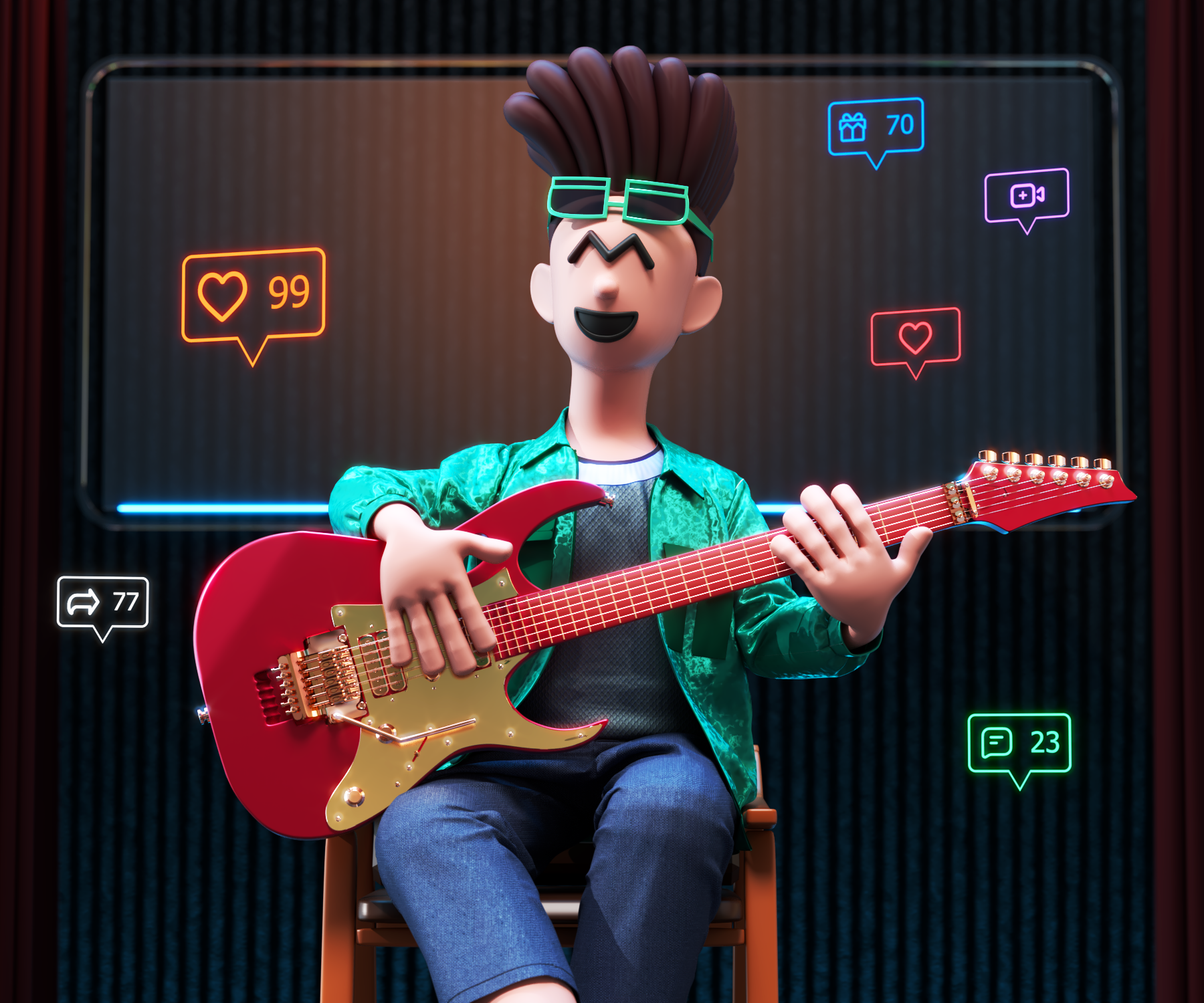
“Vikrant recites these shayari on his live that helps me unwind after a long day at work”
Now, I know that not all of us go out to buy music albums, tickets to movies, or video games. Not all of us will queue for hours in front of a store selling the latest gadgets we simply must have, but some of us do. Similarly, when you have been watching someone do shayari, ventriloquism, singing, or dancing through the medium of a livestream, this creator affinity starts developing. To show our support to these creators, some of us, just like in the real world, send them gifts bought with real money. Being live also accompanies the instant reciprocity from these creators, which incites the feeling of being acknowledged and gratified. What could be better than hearing a person we admire for their sheer talent say in front of hundreds and thousands of people that they appreciate our gesture?
“I was in awe when I Rekha sung the song I had requested for in the comments, she has a really beautiful voice!”
Similarly, are we not happy when we see a good busking performance? These buskers use their limited resources to create a free show for the public to enjoy. Not everyone watching and enjoying the show would lend support to these artists in the form of currency, but again, some of us do. We do not find it uncanny when we see someone showing monetary support to these buskers. Then why is it weird to find someone sending real money in the form of virtual assets to people on mobile who are showcasing their talents? We must understand that the medium may have changed, but the emotions remain the same.
What about the posters that artists put all around town—on buses, billboards, on their birthdays? These gestures are carried out by super followers who want to show their love and support. Also, in more common settings, do we not buy gifts for our friends on their birthdays? Similarly, on livestreams, creators with consistent streaming schedules are able to befriend their viewers, forming a community. These viewers then go on to become their loyal audience, which also paves the way for friendships that extend beyond live-streaming. It's surely not bizarre for these creators to receive gifts on their special days—birthdays—when they hit a milestone online or offline.
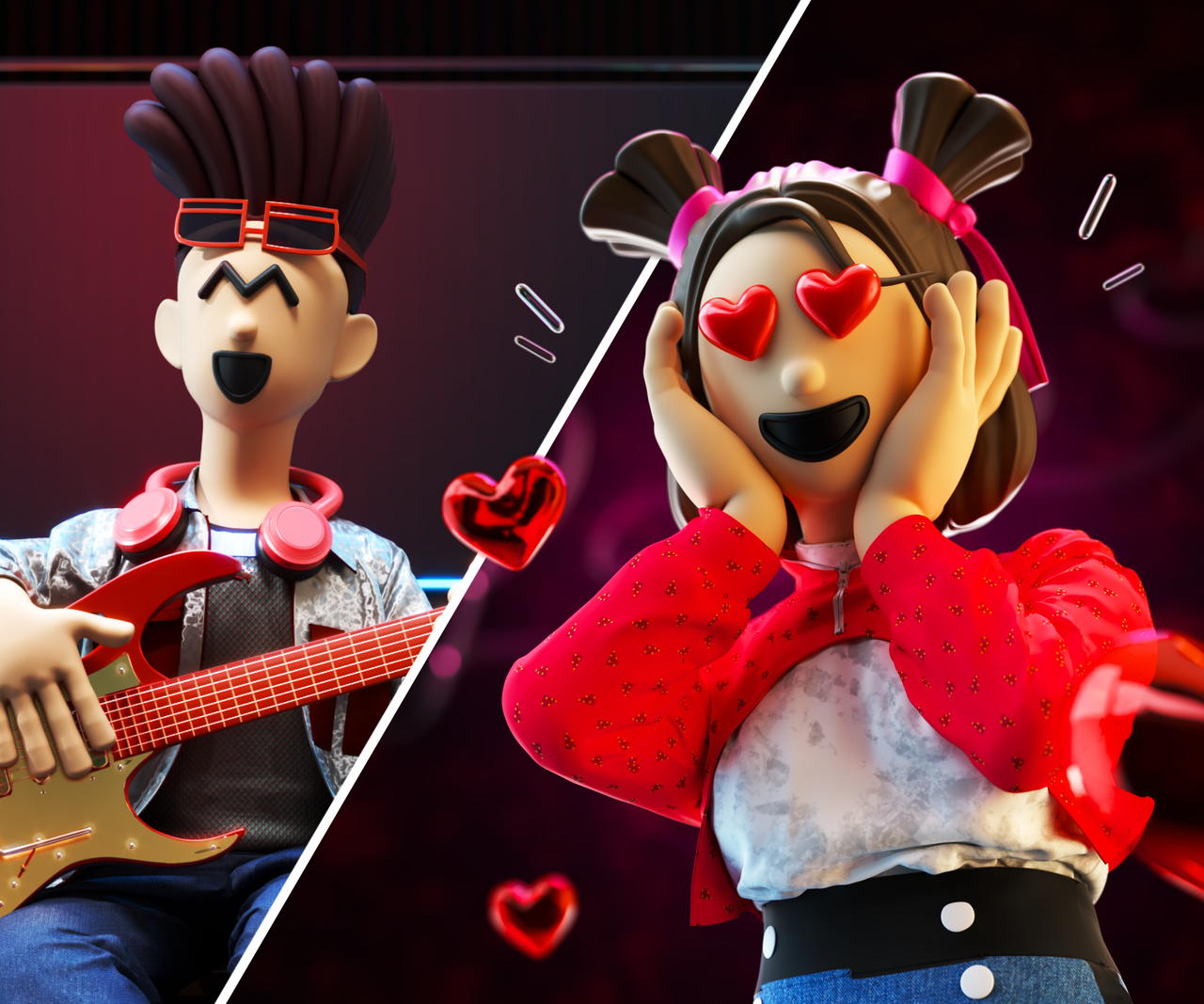
We all, or at least some of us, would have witnessed people bringing in chocolates, plushies, and other adorable things for people they have been crushing on. It’s now almost a cliche seen in many ads, shows, and short videos. Now, just imagine that in the context of “live”, people crush on others they have encountered while scrolling their live feed—for how they look, talk, etc. It may be difficult for them to express their feelings explicitly, and it may also be embarrassing for them to say so in the comments. But to insinuate their feelings, they send gifts like a heart, a red balloon, a teddy bear, and other lovey-dovey things. Think of all the Valentine’s Day visuals from the real world, and now just try to visualise them on your phone screens. Not really strange anymore, is it?
“I have no sisters in real life, but Poonam ji was gracious enough to send me and even my brothers rakhis on rakshabandhan!”
It’s not this teenage ‘ishq wala love’ emotion seen on "LIVE." Other relationships get fostered through this real-time medium, too. I have encountered stories where a female creator has sent a rakhi to one of her top supporters, who happens to have no real sister of his own. Then, would it still be weird if the person showed his appreciation for her talent through these assets that we call gifts?
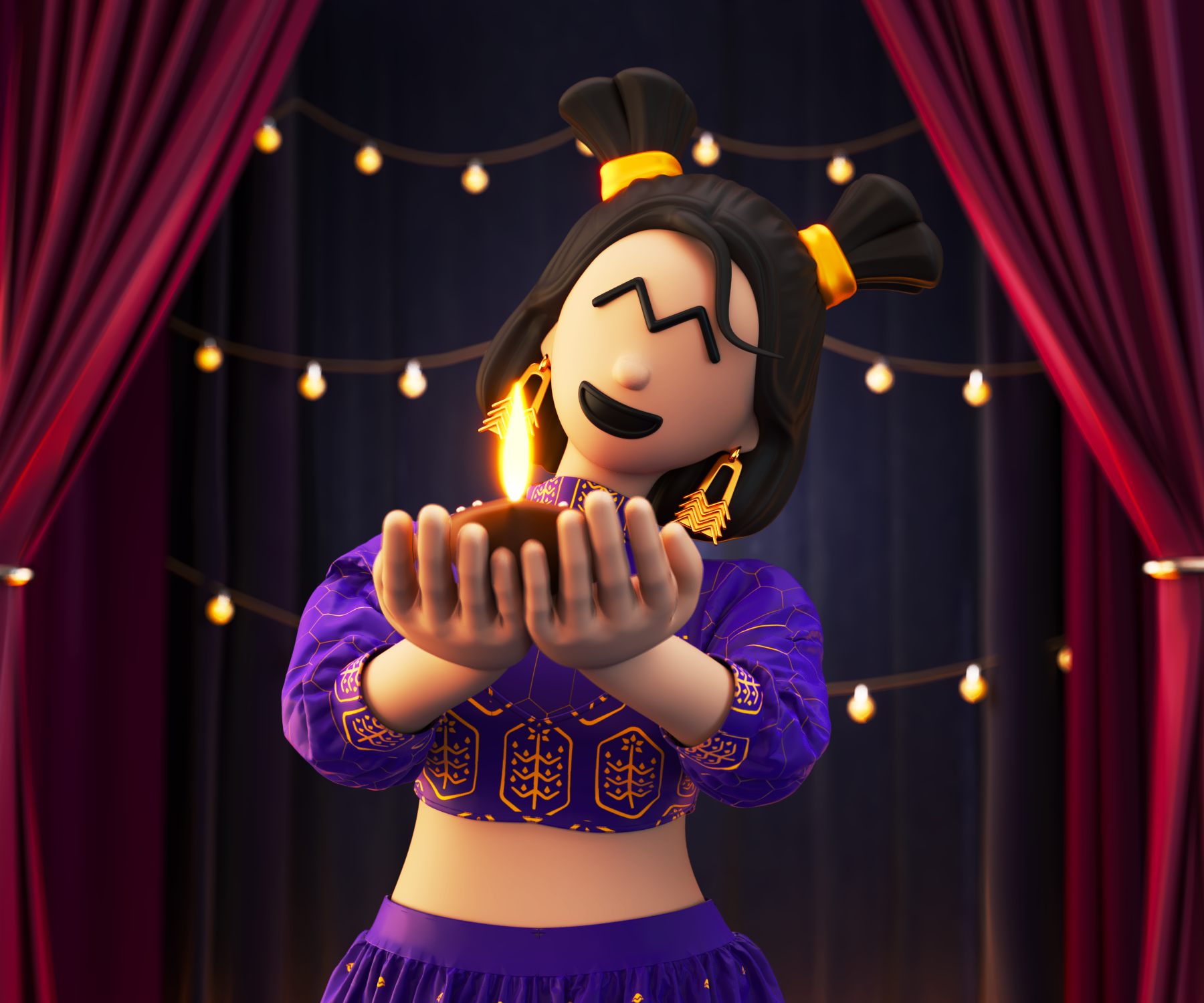
And what about Teacher’s Day? Giving treats or a token of appreciation to the mentors who have made a difference and guided us to do better. Having gone through the journey of creating content themselves, the creators share their experiences and suggest how others with similar aspirations can grow on the platform. Some of the knowledge-sharing sessions like these make the viewers want to send a token of appreciation to the person talking to them in this real-time screen setting.
These human emotions make people send (virtual) gifts to people they have seen and/or interacted with on the online platform. Though virtual, these assets have the connotation of showing their support and expressing other human emotions on livestreams. The gratification and acknowledgement they get from the creators themselves and the other viewers seeds sheer happiness inside the people called the ‘gifters’.
I hope this helps explain why virtual gifting is not unusual. It’s just a change in settings, a switch from the real physical world to real-time digital interaction with real humans. This is just the tip of the iceberg of how it all starts. There are so many other reasons that influence and corroborate this behaviour; I will share that part of the story some other day.
Thank you to the incredible 3D team for their help with the visuals:
Characters’ Posing by: Gopinath Thota
Simulation by: Shashank Shekhar Singh
Lighting, texturing and compositing by: Srikant Shekhar
Written by: Rachita Bisht